
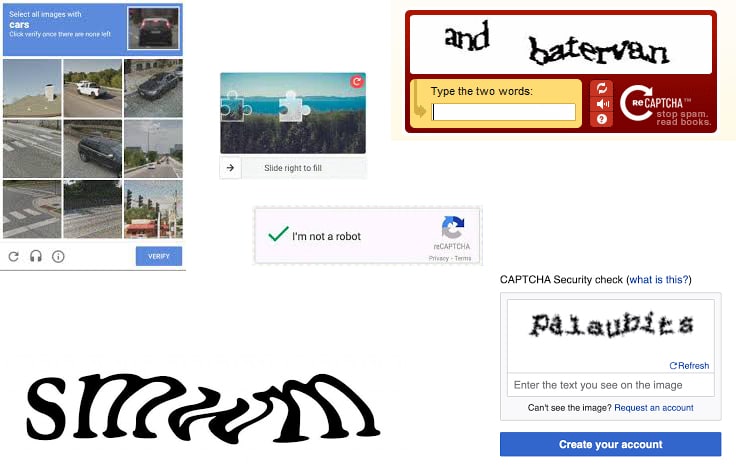
In today’s digital age, chances are you’ve come across CAPTCHAs multiple times while browsing websites or filling out forms. These seemingly annoying puzzles have a crucial role to play—they are gatekeepers that protect websites from spam and malicious bots. But how did CAPTCHAs come to be? What benefits do they offer, and are there any downsides? Let’s dive into the fascinating history of CAPTCHA, explore its advantages, and discuss its potential negatives.
The Origins of CAPTCHA
CAPTCHA stands for “Completely Automated Public Turing test to tell Computers and Humans Apart.” The term was coined in 2003 by researchers at Carnegie Mellon University, including Luis von Ahn, Manuel Blum, Nicholas J. Hopper, and John Langford. The idea was simple but brilliant: create a test that is easy for humans to pass but challenging for automated bots.
The first CAPTCHAs were based on distorted text that humans could read, but computers found difficult to interpret. These tests became a standard security feature on websites and online forms, helping to combat spam, fraud, and other malicious activities. CAPTCHAs have evolved significantly since their inception, moving from simple text-based puzzles to more complex image recognition and behavioral analysis challenges. Today, CAPTCHAs are everywhere—from social media platforms to e-commerce sites—safeguarding data and maintaining the integrity of digital interactions.
10 Benefits of CAPTCHA
- Prevents Spam and Automated Bots: One of the primary reasons CAPTCHAs were created was to prevent spam bots from flooding websites with fake accounts, spammy content, or irrelevant advertisements. By filtering out bots, CAPTCHAs help ensure that the content on websites remains relevant and valuable to users.
- Protects User Data: CAPTCHAs provide an extra layer of security to prevent data breaches and unauthorized access. For example, online banking platforms often use CAPTCHAs to ensure that a login attempt is being made by a real person and not an automated script trying to hack an account.
- Enhances E-commerce Security: In the world of online shopping, bots can be used to manipulate inventory or prices, disrupt transactions, or steal customer data. CAPTCHAs help mitigate these risks by ensuring that only legitimate users can complete transactions.
- Supports Ticketing Systems: Online ticketing systems, such as those used for concerts or sporting events, often deploy CAPTCHAs to prevent bots from purchasing large quantities of tickets and reselling them at inflated prices. This ensures fair access to tickets for genuine fans.
- Reduces Server Load: By blocking automated bots, CAPTCHAs help reduce the strain on web servers. This not only improves website performance but also reduces the likelihood of server crashes caused by spam attacks or bot traffic.
- Prevents Fake Registrations: Websites that require user registration, such as forums and social media platforms, often use CAPTCHAs to prevent fake accounts. This helps maintain the quality of user interactions and reduces the risk of spamming or trolling.
- Protects Online Polls and Surveys: CAPTCHAs are used in online voting systems to prevent bots from skewing the results. This ensures that survey data is reliable and accurately reflects public opinion.
- Facilitates Human Verification: CAPTCHAs help differentiate between genuine users and malicious entities. This is particularly important for websites that handle sensitive information, such as online banking, healthcare portals, and government sites.
- Supports Data Annotation for AI Training: Some CAPTCHA systems, such as reCAPTCHA, are designed to assist in the training of artificial intelligence. For example, when you identify traffic lights or crosswalks in a CAPTCHA challenge, you are helping to train self-driving cars to recognize these elements.
- Improves Overall Cybersecurity: By creating a barrier against unauthorised access, CAPTCHAs help protect sensitive information and reduce the risk of cyber-attacks. This is critical in today’s digital landscape, where data breaches and cyber threats are on the rise.
A few negatives of CAPTCHA
- User Frustration: One of the biggest downsides of CAPTCHAs is that they can be frustrating for users. Difficult or poorly designed CAPTCHAs can lead to poor user experiences, resulting in lost customers or reduced engagement. A survey by UX experts found that 30% of users abandon a website if they encounter a frustrating CAPTCHA.
- Accessibility Issues: CAPTCHAs can pose challenges for users with disabilities, particularly those who are visually impaired or have cognitive difficulties. Although some CAPTCHAs provide audio alternatives, these are not always user-friendly, and they can exclude a significant portion of potential users.
- Potential for Invasion of Privacy: Some CAPTCHA systems, like reCAPTCHA, track user behavior to determine whether they are human. While this helps improve security, it raises privacy concerns. Users may feel uncomfortable knowing that their browsing habits are being monitored.
- Evolving Threats from Smarter Bots: As CAPTCHAs have evolved, so have bots. Some sophisticated bots can now bypass CAPTCHA challenges using machine learning algorithms, making CAPTCHAs less effective over time. This has led to an ongoing battle between CAPTCHA developers and cybercriminals.
- Impact on Website Conversion Rates: For e-commerce websites, every additional step in the checkout process can result in lost sales. CAPTCHAs add an extra layer of complexity, potentially deterring customers from completing purchases. Studies have shown that conversion rates can drop by up to 3% when CAPTCHAs are included in the checkout process.
Real-Life Examples and Statistics
Lots of companies have been saved by CAPTCHAs, so to say. The very powerful one, the reCAPTCHA from Google, for instance, happens to be one of the most in-use systems of CAPTCHAs. They save millions each day from malicious login attempts. According to statistics from Google itself, reCAPTCHA v3 can detect abusive traffic with 99.7% accuracy, and that shows the potential of CAPTCHAs in fighting cyber threats.
On the other hand, sites like Ticketmaster have been criticized for employing CAPTCHAs that are simply too hard or too time-consuming, frustrating users who abandon their attempts altogether. That is a delicate line between security and user experience that many websites have yet to fully balance.
Conclusion: CAPTCHA—A Necessary Tool with Room for Improvement
CAPTCHA – A Necessary Tool with Room for Improvement
The history of CAPTCHA is a testament to the evolution of cybersecurity. What was an evolving text puzzle, then today’s AI-driven sophisticated models, made CAPTCHA an essential tool in securing the internet from spam, fraud, and malicious bots. While several possible benefits exist with the use of CAPTCHA, some can be enhanced security and spam control; equally important is a need to ensure that the downsides associated with using CAPTCHA are assessed, such as user frustration and issues with accessibility.
With continuous improvement in technology, the components of CAPTCHAs will constantly undergo improvement. Future improvements may probably dwell on more friendly and accessible solutions that balance solid security and a smooth user experience.
Ready to Lock Down Your Website? If you want to add further security to your website and protect your users from spam and other malicious activity, then it may be time to implement a CAPTCHA solution. It might be a simple step, but it goes a long way in keeping the web safe and secure for all users. Get in contact with us today.

